
Discovering Little Valley’s Roots
Nestled along the southeastern edge of St. George, Utah, the Little Valley neighborhood is a testament to the blend of tradition and progress found throughout Washington County. While newer homes and modern amenities have recently brought attention to Little Valley, its origins stretch back to an earlier era when water, land, and farming shaped the fabric of the community. Longtime residents cherish the stories of this neighborhood—stories that echo between rows of homes, at community parks, and in the memories tied to its red earth.
How Little Valley Got Its Name
The neighborhood’s gentle name, “Little Valley,” comes from its unique topography. Early settlers, seeking fertile acreage distinct from the rocky mesas and canyon country nearby, were drawn to a green pocket of lower, flatter land. Compared to surrounding valleys, this patch was smaller—a “little valley”—and the name stuck. Early maps from the late 19th and early 20th centuries reference it simply as “The Little Valley,” distinguishing it from the sweeping expanse of the Santa Clara River Valley and nearby Bloomington.
Key Historical Milestones
- Early Agriculture and Ranching: In the late 1800s, pioneer settlers expanded south and east from the main St. George settlement, utilizing Little Valley for alfalfa, cotton, and cattle grazing. Water from the Virgin River, carefully diverted by hand-dug ditches, nourished the early crops.
- Schoolhouses and Rural Lanes: By the early 20th century, Little Valley was home to scattered homesteads, a single-room schoolhouse, and rural lanes that eventually became Little Valley Road and Horseman Park Drive. The open fields and clear vistas typified country life, with children walking or horseback riding to their lessons.
- The Subdivision Boom: Through the 1990s and early 2000s, St. George’s population grew rapidly. Developers recognized Little Valley’s appeal—larger lots, room for horses or gardens, and a feeling of spaciousness. Many of today’s winding residential streets, like Crimson Ridge Drive and River Road, trace or parallel the old farm roads.
Notable Landmarks and Buildings
- Little Valley Elementary School: At the heart of the neighborhood stands Little Valley Elementary, opened in 2013. The school quickly became a community hub, not just for learning but for neighborhood events, sports, and volunteer gatherings.
- The Little Valley Pickleball Complex: A modern addition, this sprawling set of courts attracts families, young athletes, and pickleball enthusiasts from all over Southern Utah. On any given evening, the courts are buzzing with activity—reflecting the active lifestyle that has become a Little Valley calling card.
- Ridge Top Views and Community Parks: While Little Valley isn’t home to historic structures like the St. George Tabernacle or the Brigham Young Winter Home, its landmarks are quieter—the parks, walking trails, and playgrounds where generations come together. Silkwood Park and Crimson Ridge Park are popular local escapes for picnics, soccer games, and dog walks.
Little Valley’s Evolution
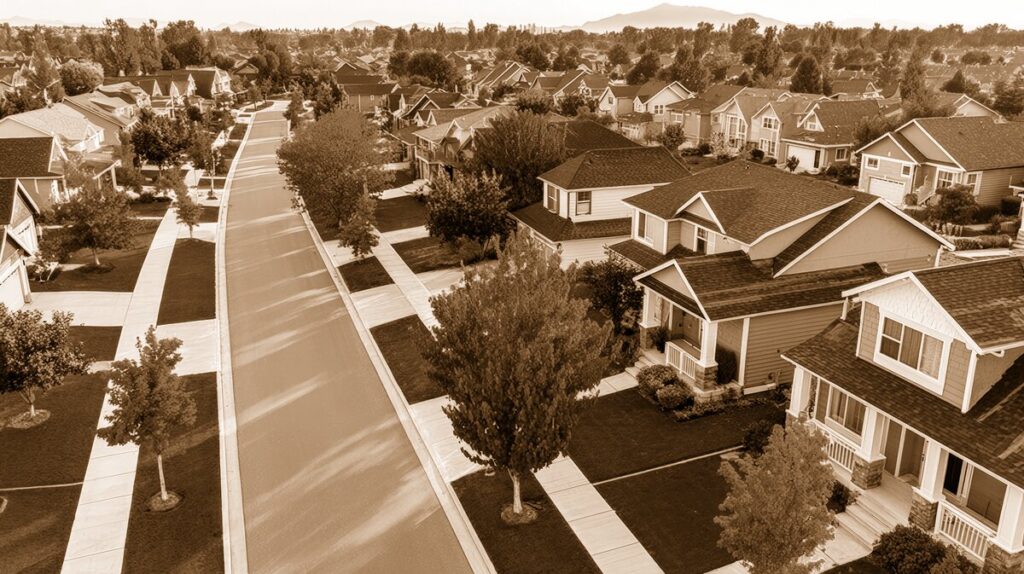
- From Rural Outpost to Coveted Community: For much of its history, Little Valley was almost pastoral—quiet, agriculturally focused, and distinctly separate from downtown St. George. In the past two decades, however, expansive fields have given way to beautifully planned subdivisions, bringing with them families from across Utah and beyond. Yet the neighborhood still retains its serene vibe, older homesteads blending with newer builds, horse properties dotting the landscape, and backyard gardens thriving in the desert sun.
- Preserving Open Spaces: Residents have long valued the preservation of parks, trails, and native flora. While new development is a fact of life, the neighborhood council and city planners work to protect walkable green space and the spectacular vistas to the Pine Valley Mountains.
Special Traditions and Community Spirit
One defining feature of Little Valley is its strong neighborhood spirit. Whether it’s the annual fall festival at Little Valley Elementary, evening strolls along Silkwood Park’s walking loop, or cooperative efforts to keep streets clean and safe, neighbors look out for one another. “Everyone waves at everyone” is a refrain you hear often here—whether you’re jogging along Crimson Ridge Drive or walking your dog near Horseman Park.
- Block Parties: As Little Valley has grown, newcomers and longtime residents have forged bonds over block parties, holiday events, and impromptu front-yard barbecues.
- Equestrian Heritage: Families who’ve been here for generations share their love for horses and rural traditions. Small barns and corrals still appear on some lots, harkening back to the ranching roots that helped define Little Valley.
Looking to the Future
Little Valley is an ever-evolving chapter in the story of St. George, shaped by those who cherish its mix of history, open space, and neighborly warmth. As the neighborhood grows, efforts continue to preserve that unique blend of heritage and community spirit.
- “We’ve seen changes, but the feeling here is still special,” says one longtime resident. “It’s the sense of belonging, of living in a place where the past and the future meet with every sunrise.”
For visitors and newcomers alike, Little Valley offers both a glimpse into St. George’s pioneering past and a welcome into one of its most vibrant, family-friendly communities. With its roots in agriculture, its embrace of progress, and its unbreakable sense of community, Little Valley’s heritage endures—one story, one home, one friendly wave at a time.